Why the Exact Same Evening Dress Can Look Completely Different Once It's Under the Venue's Actual Lighting
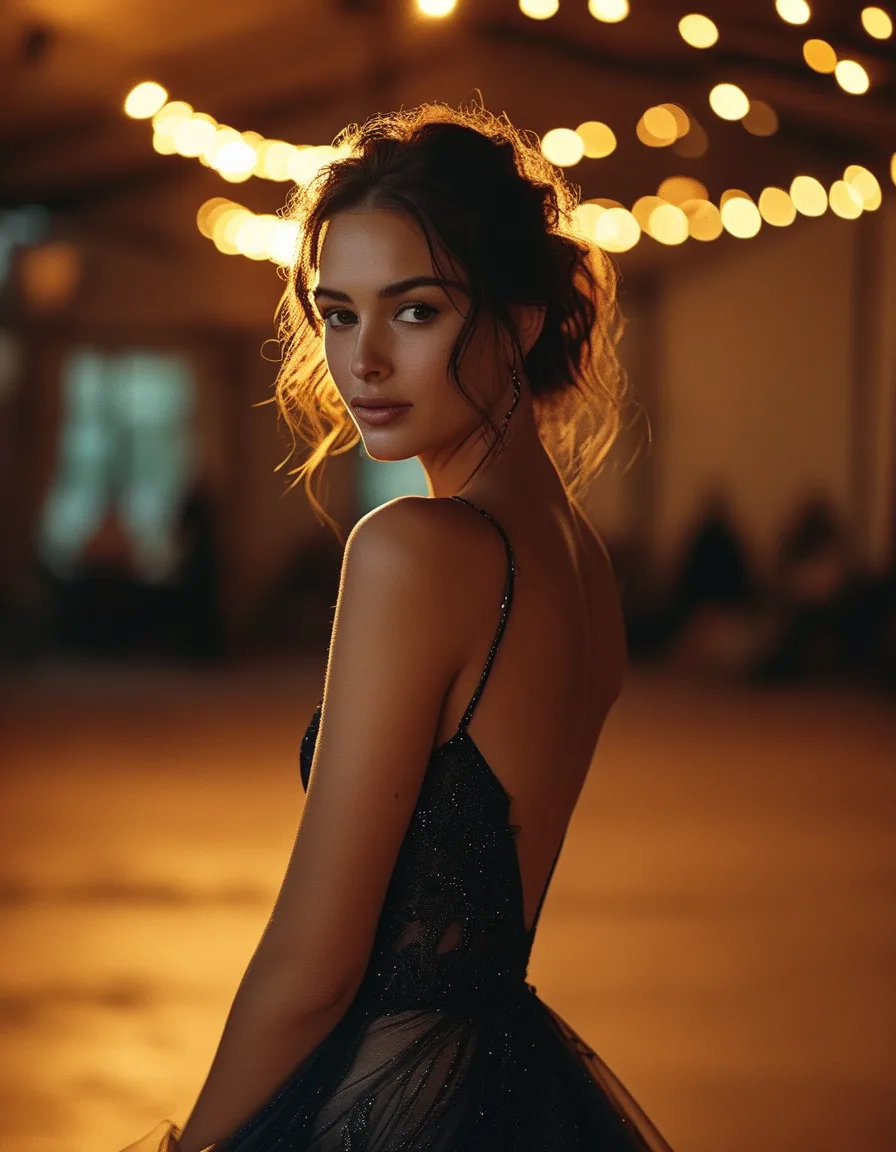
A dress that looked rich and perfectly toned in a bright fitting room can suddenly look flat, or unexpectedly shift color entirely, once it’s actually under the dim, warm lighting of an evening venue, and that isn’t the dress changing — it’s that fitting rooms and evening venues sit at nearly opposite ends of the color temperature spectrum, and certain fabrics respond to that shift far more dramatically than others.
Why Fitting Rooms and Venues Sit at Opposite Lighting Extremes
The mismatch: most-fitting-rooms-use-bright-cool-toned-lighting-optimized-for-accurate-color-judgment-while-most-evening-venues-use-dim-warm-toned-lighting-that-shifts-perceived-color-substantially (most retail fitting rooms using bright, cool-toned lighting specifically optimized for accurate color judgment at the point of sale, while most evening venues instead use dim, warm-toned lighting that shifts perceived color quite substantially away from that fitting room baseline, per the occasion-dressing-guide logic — most-retail-fitting-rooms-using-bright-cool-toned-lighting-optimized-for-accurate-color-judgment-while-most-evening-venues-use-dim-warm-toned-lighting-that-shifts-perceived-color-substantially), and the reframe (the two settings being deliberately different lighting environments, not just brighter and dimmer versions of the same one)).

Why Sheen and Metallic Fabrics Are Especially Sensitive to That Shift
The sensitivity: fabrics-with-sheen-metallic-thread-or-sequins-reflect-and-refract-light-in-ways-that-amplify-any-shift-in-color-temperature-far-more-than-matte-fabrics-ever-do (fabrics containing sheen, metallic thread, or sequins reflecting and refracting ambient light in ways that genuinely amplify any shift in color temperature far more dramatically than matte fabrics ever do under the exact same lighting change, per the statement-evening-pieces-own logic — fabrics-containing-sheen-metallic-thread-or-sequins-reflecting-and-refracting-ambient-light-in-ways-that-amplify-any-shift-in-color-temperature-far-more-than-matte-fabrics-ever-do), and the frame (the most eye-catching evening fabrics being exactly the ones most likely to look different than expected)).
How to Check a Dress Under Warm, Dim Light Beforehand
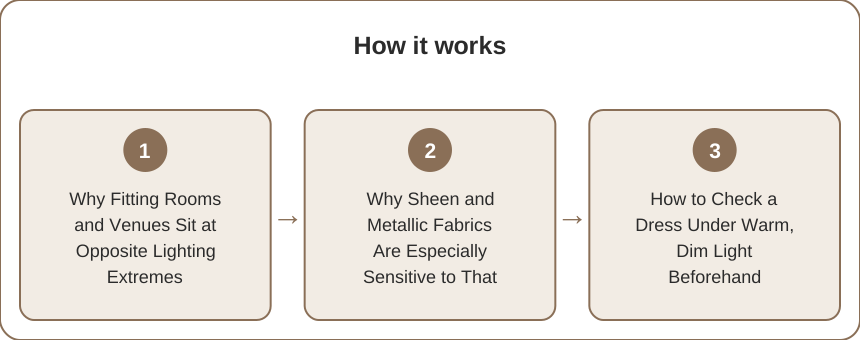
The check: hold-the-dress-under-a-warm-dim-lamp-at-home-or-step-just-outside-the-fitting-room-into-warmer-store-lighting-before-buying-rather-than-trusting-the-bright-fitting-room-mirror-alone (holding the dress under a warm, dim lamp at home, or simply stepping just outside the fitting room into any warmer ambient store lighting available before buying, rather than trusting the bright, color-accurate fitting room mirror as the final word on how it will actually look, per the evening-wear-essentials logic — holding-the-dress-under-a-warm-dim-lamp-at-home-or-stepping-just-outside-the-fitting-room-into-warmer-ambient-store-lighting-before-buying-rather-than-trusting-the-bright-fitting-room-mirror-alone), and the frame (previewing the actual lighting condition the dress will be worn under, not just the one it’s sold under).
Fitting rooms use bright, cool-toned lighting optimized for accurate color judgment, while evening venues use dim, warm-toned lighting that shifts perceived color substantially, and fabrics with sheen or metallic thread amplify that shift far more than matte fabrics do. Holding a dress under a warm, dim lamp at home, or checking it under warmer store lighting before buying, previews the actual condition it will be worn under instead of trusting a fitting room mirror built for a completely different kind of light.
Keep Reading
This article is for general styling and informational purposes only. Trends, sizing, availability and pricing may vary by brand and season.