Why Black Tie Optional Causes More Outfit Anxiety Than Actual Black Tie Does
A strict black tie dress code removes guesswork entirely, but black tie optional does the opposite, handing guests a genuinely ambiguous range that runs from cocktail dress to full formal gown, which is exactly why it generates more outfit anxiety than the stricter version ever does.

Why Strict Dress Codes Are Actually Easier to Dress For
The paradox: a clearly defined dress code like black tie leaving a narrow, well-understood range of acceptable outfits, which removes most of the guessing and decision-making that causes pre-event stress.
What Black Tie Optional Is Actually Signaling
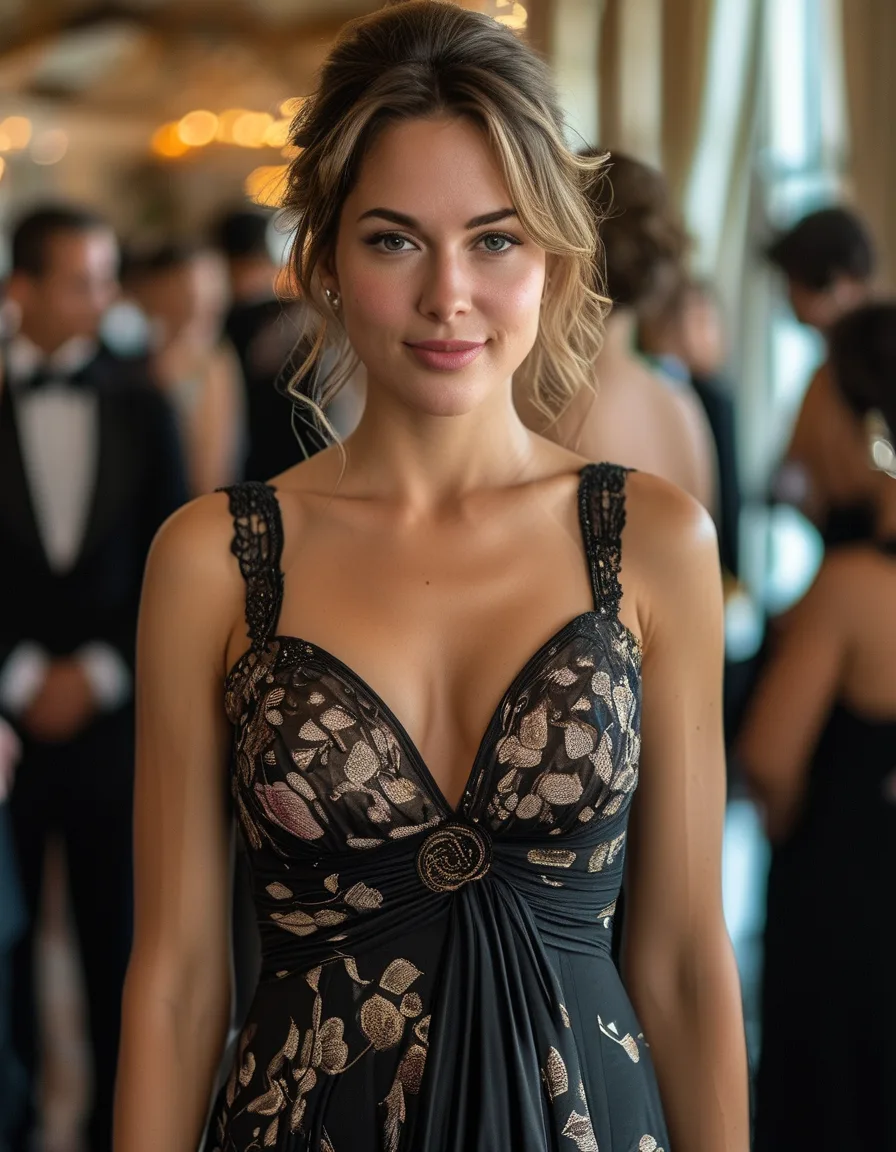
The real meaning: the phrase functioning as a signal that formal wear is welcome and appropriate but not mandatory, intentionally leaving room for guests who don’t own or want to rent formal wear, which is a practical accommodation rather than a clear style directive.
Why This Ambiguity Specifically Creates Anxiety
The stress point: a wide acceptable range meaning guests can’t simply follow a rule, they have to judge the event’s actual formality level, the venue, the host, the other guests, and dress relative to that judgment, a harder task than following a fixed code.
How to Actually Read the Room Correctly
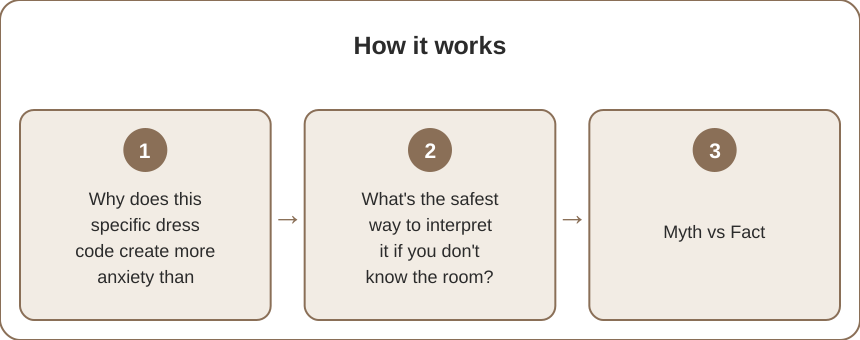
The practical approach: checking the venue and time of the event, and erring toward the more formal end of the acceptable range when genuinely unsure, since being slightly overdressed at a black tie optional event draws far less attention than being noticeably underdressed, and the frame (black tie optional’s ambiguity is what causes the anxiety a strict code avoids — reading the venue and erring formal resolves the guesswork more reliably than searching for a hidden rule.)
A strict black tie dress code leaves a narrow, well-understood range of acceptable outfits, which removes most of the guessing that causes pre-event stress, while black tie optional intentionally leaves room for guests who don’t own or want to rent formal wear, signaling that formal wear is welcome but not mandatory rather than giving a clear style directive. That wide acceptable range means guests can’t simply follow a rule, they have to judge the event’s actual formality level, the venue, the host, the other guests, and dress relative to that judgment, which is a harder task than following a fixed code, so checking the venue and time of the event, and erring toward the more formal end when genuinely unsure, resolves the guesswork more reliably than searching for a hidden rule, since being slightly overdressed draws far less attention than being noticeably underdressed.
Keep Reading
This article is for general styling and informational purposes only. Trends, sizing, availability and pricing may vary by brand and season.