Evening & Occasion

Show-stopping style for the moments that matter

Occasion Dressing: What to Wear When It Really Matters

2026-07-11

Some events deserve more than a grab-from-the-closet outfit — the milestone birthday, the black-tie gala, the night you want a photo you’ll actually love in ten years. Occasion dressing is a skill, and it’s one you can get genuinely good at with a bit of a system.

Quick Answer: Occasion dressing means reading the event’s formality level first, then choosing a piece that fits both the dress code and makes you feel confident, with fit and finishing details prioritized over trendiness. Get those three right — formality, fit, details — and you’ll rarely misjudge an event again.

Occasion Dressing: What to Wear When It Really Matters

How do you actually read an event’s dress code?

Start with three questions: How formal is it, who’s hosting, and what time of day is it? A black-tie gala calls for floor-length or a tuxedo-level dress; a cocktail party wants knee-to-midi length in something polished but not full-length; a formal dinner sits somewhere in between, often tailored separates or a sleek dress. When the invitation doesn’t spell it out, matching your outfit to the venue (a restaurant vs. a ballroom) is usually a safe tiebreaker.

Quick formality cheat sheet:

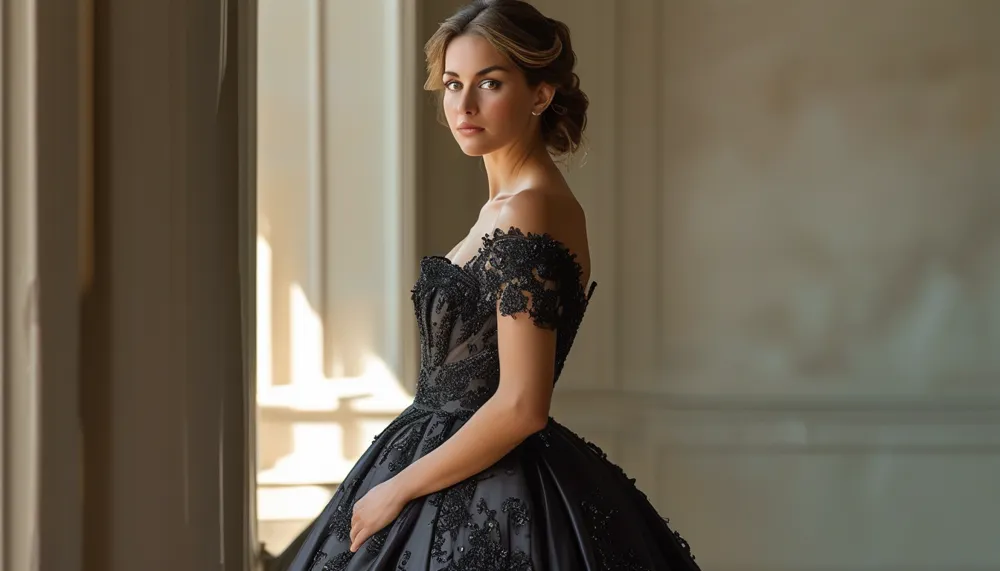
  • Black-tie: floor-length gown or tux
  • Formal/cocktail: midi-to-floor dress or elevated separates
  • Semi-formal dinner: tailored dress, jumpsuit, or dressy separates
  • Daytime celebration: polished dress or suiting, shorter hemlines fine

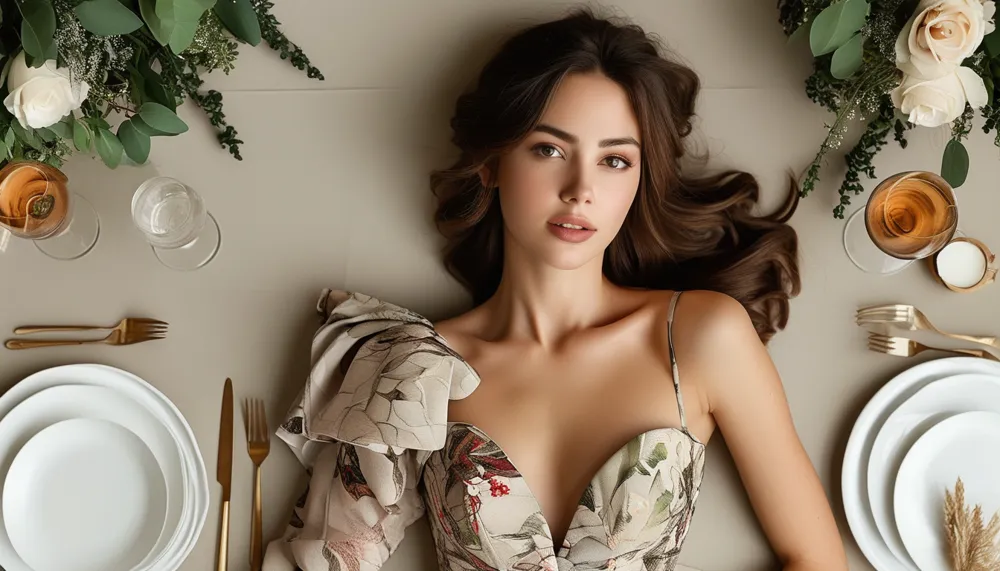
Styling flat lay

What should you actually pick for the moments that matter?

Choose the piece that makes you feel genuinely great the second you put it on — not the one that photographs best on someone else. Whether that’s a dress with real movement, a tailored jumpsuit, or a sharply cut suit, that instant confidence is doing more work than any specific silhouette or color. If you hesitate in the mirror, that’s usually a sign to keep looking rather than talk yourself into it.

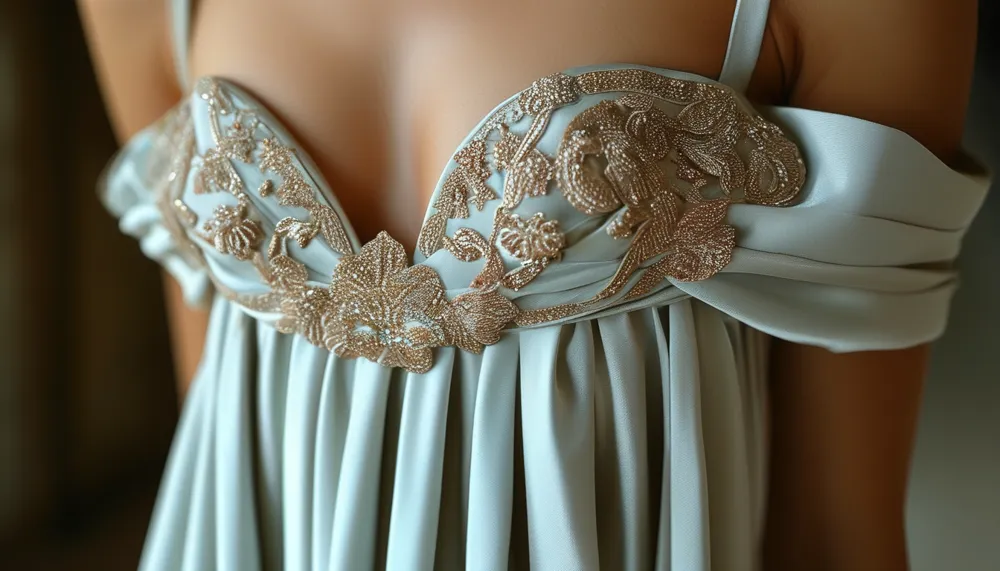
Point detail

Why does fit matter more than price for occasion wear?

Because a $150 dress that’s tailored to fit will always look more expensive than a $500 dress that’s slightly off in the shoulders or too long in the hem. Occasion pieces get photographed and remembered, so poor fit stands out far more than it would in a casual outfit. A simple $20-40 tailoring appointment — taking in the waist, hemming the length — routinely makes the biggest visible difference of anything you’ll do to prep an outfit.

Book alterations as soon as you buy rather than the week before; most tailors need 7-10 days for a straightforward hem or waist adjustment, longer during busy wedding and holiday seasons.

What details actually finish an occasion look?

The last 10% is where occasion dressing lives: the right shoe height, one elevated accessory (not five), hair and makeup that match the formality, and a bag sized appropriately for the event. Skip trying to accessorize every category at once — one standout earring or necklace, not both, tends to look more intentional. These finishing touches are what separates “dressed up” from “looks like I got dressed.”

Style guide

5 Mistakes Everyone Makes With Occasion Dressing

  1. Guessing the dress code instead of asking. A quick text to the host clears up “cocktail attire” confusion in seconds.
  2. Buying the outfit and skipping tailoring entirely. Even a $25 hem can be the difference between looking put-together and looking like you borrowed it.
  3. Over-accessorizing. Statement earrings plus a statement necklace plus a statement bag is one statement too many — pick one focal point.
  4. Prioritizing trendy over flattering. A silhouette that fits you well will always photograph better than one that’s simply “in” this season.
  5. Not test-sitting or test-walking the outfit beforehand. A dress that looks perfect standing still can restrict movement or gap when you sit — try both before the big day.

FAQ

What if the invitation just says “dressy casual”?

Treat it as a step up from your normal weekend outfit but a step below cocktail attire — think elevated separates, a nice dress, or dark denim with a blazer, rather than jeans and a t-shirt.

Is it ever okay to re-wear the same occasion outfit?

Absolutely — re-wearing a piece to a different event, especially with different accessories or styling, is both budget-friendly and increasingly normal. Nobody’s tracking your outfit history except you.

How far in advance should you plan an occasion outfit?

Aim for at least 2-3 weeks before a major event, which leaves enough buffer time for alterations, a backup option, and a full test-run of shoes and accessories together.

What’s a safe choice if you’re genuinely unsure about the dress code?

Lean slightly more dressed up rather than less — it’s far easier to remove a jacket or swap heels for flats once you arrive than to feel underdressed all night. A tailored dress or elevated separates in a neutral color rarely feels wrong, even if you end up a notch above the room.

TL;DR:

  • Read the event’s formality level first — venue and host are good clues if the invite is vague.
  • Choose the piece that makes you feel genuinely confident, not just photogenic.
  • Prioritize fit and tailoring over price; a $25-40 alteration often outperforms an expensive dress.
  • Limit accessories to one standout piece rather than several competing statements.
  • Test-sit and test-walk your outfit before the actual event.
  • Plan 2-3 weeks ahead to leave room for alterations and a backup plan.

Keep Reading

This article is for general styling and informational purposes only. Trends, sizing, availability and pricing may vary by brand and season.

← All articles